
Role of ultrasound scans

Screening for serious anomalies
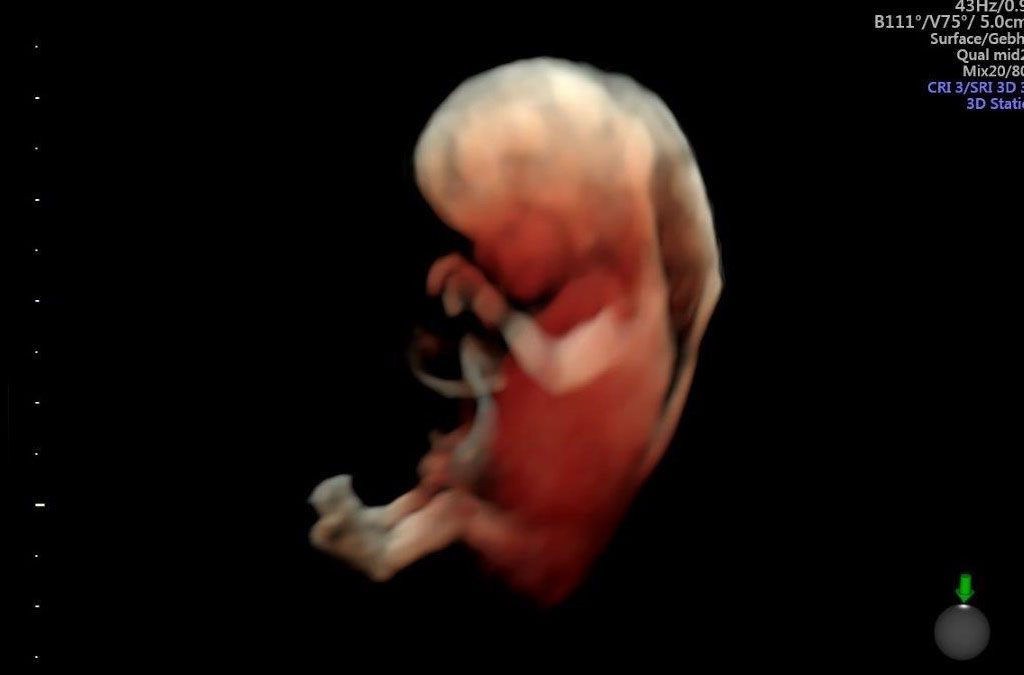
What is the purpose of ultrasound scans?
Ultrasound scans make it possible to observe the foetus in the uterus and are one of the ways of checking if your pregnancy is going smoothly. Ultrasound scans during pregnancy have been used for around 40 years; so far there has been no evidence of any direct negative effect on the foetus or mother. The sound waves used are weak, and are completely harmless.
First trimester
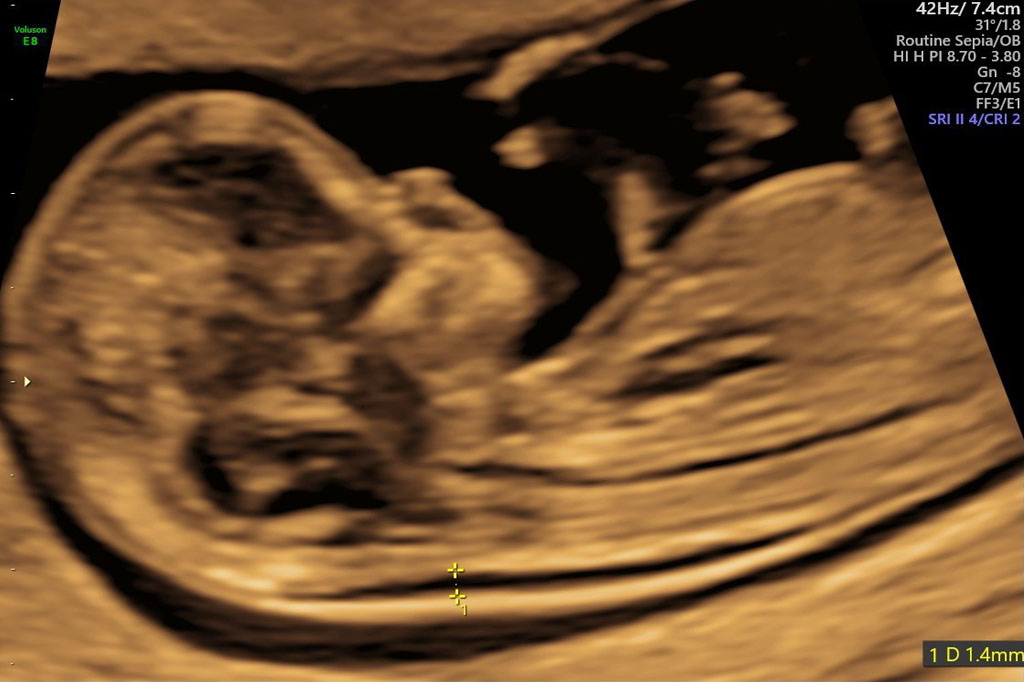
The ultrasound scan confirms that the pregnancy is progressing normally and the age of the embryo is consistent with your last period. At this stage, an ectopic pregnancy can be ruled out and a multiple pregnancy diagnosed.
Measurement of nuchal translucency may indicate an increased risk of chromosomal anomalies, with the most frequent being trisomy 21, also known als Down-Syndrome.
See also the factsheet on first and second trimester tests.
Second trimester
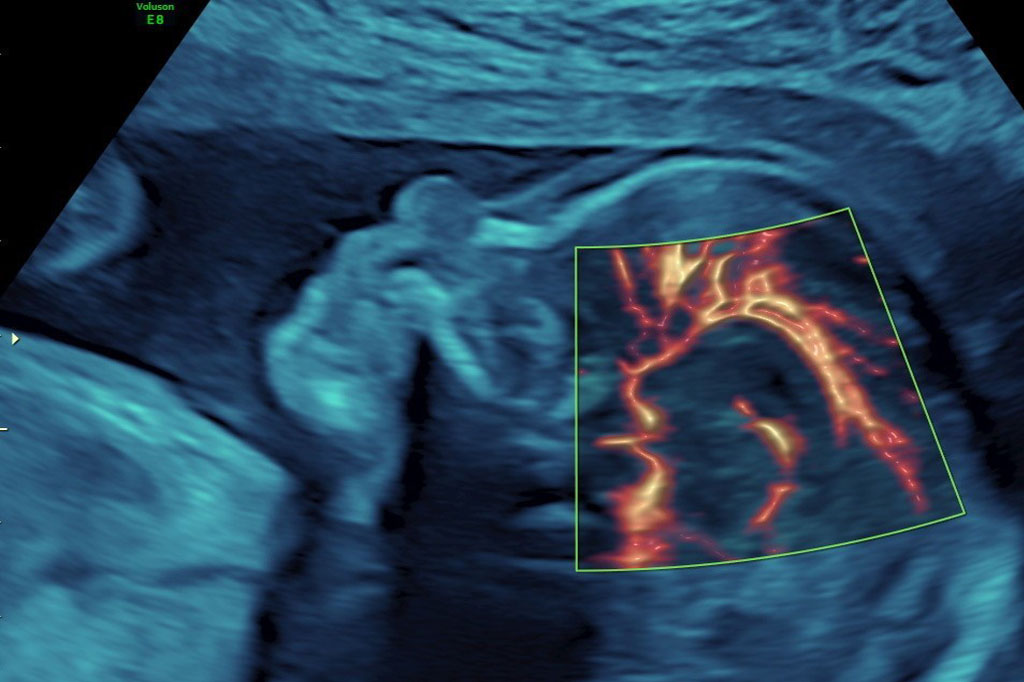
A full anatomical examination of the foetus, known as a morphology scan, is performed around week 20. This can help identify a large number of malformations. Foetal growth is also monitored, as is the quantity of amniotic fluid and the position of the placenta.
Third trimester
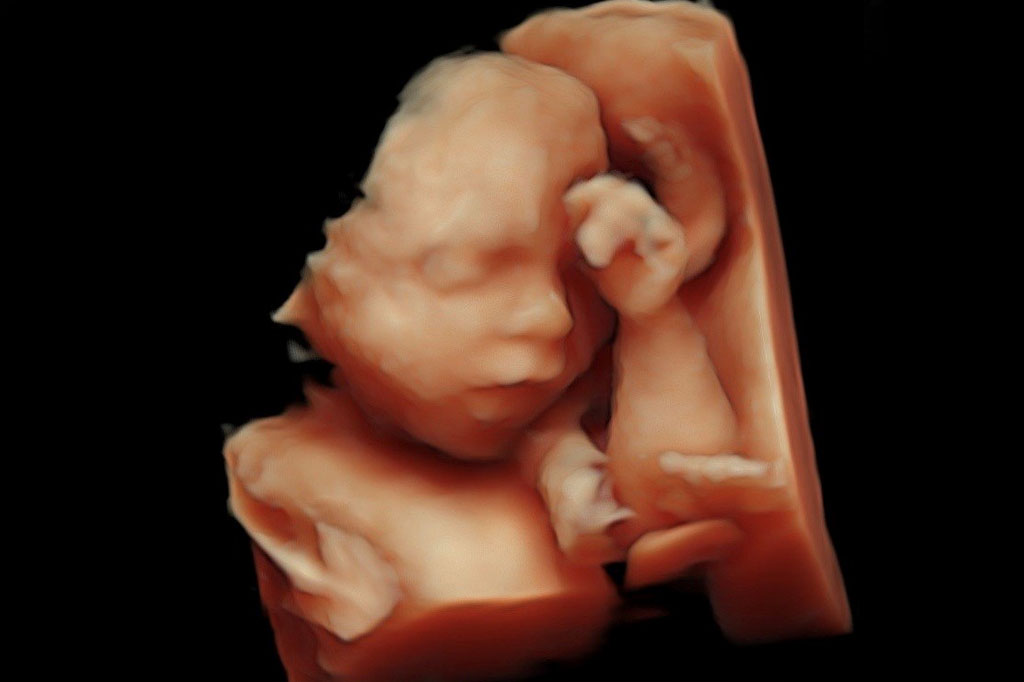
The main aim of the ultrasound scan is to check how the foetus is growing. The placenta is working properly if foetal weight is deemed to be normal and the quantity of amniotic fluid is found to be adequate. Certain anomalies which only appear later on, can be identified during this final investigation.
What is the accuracy of ultrasound scans during pregnancy?
If a experienced healthcare professional feels an ultrasound scan is normal, you can conclude, with a high degree of certainty, that the pregnancy is going well and your child will not be born with any major malformation. However, a normal scan cannot guarantee that the foetus will be free from all potential problems.
Ultrasound scans do indeed support very precise diagnostics (around 90 per cent accuracy) for severe malformations that might threaten the survival of your child, but the accuracy level for less severe malformations is around 75 per cent. Certain mild malformations can only be identified in a third of cases (30 per cent).
What are the consequences of ultrasound scans?

If an ultrasound scan reveals your foetus has a severe malformation, this may call for difficult decisions regarding whether to continue with the pregnancy. Also, some diagnostics will have an impact on the medical monitoring of your pregnancy. They will help you prepare for the right kind of delivery and can be useful when discussing suitable care for your child following the birth.