
Our services in the field of integrative medicine
Within the Sonic Suisse laboratories, Ortho-Analytic is the designated partner for integrative medical diagnostics.
-
Ortho-Analytic is accredited according to ISO15189 and ISO17025 and is therefore committed to strict quality standards. In line with these standards, only the most modern equipment in a specially designed laboratory infrastructure is used for the determination of trace and bulk elements as well as heavy metals, molecular microbiome analysis, and allergy diagnostics.
The multidisciplinary team consists of highly trained experts from all areas of medically and diagnostically relevant disciplines. The expertise acquired in more than 20 years allows for evidence-based diagnostics in both conventional medicine and integrative medicine.
Through intensive exchange with our customers, the measurement methods we offer are kept up to date with the latest technology and knowledge and are also further developed in parallel. Combined with a “think outside the box” approach, the Ortho-Analytic team tries to show interested physicians and/or medical professionals the further paths within integrative diagnostics. The ultimate goal here is to be able to offer patients effective treatment options, especially in the areas of prevention and subclinical and chronic complaints.
-
Main tasks of integrative medicine at Sonic Suisse:
Functional microbiome analysis
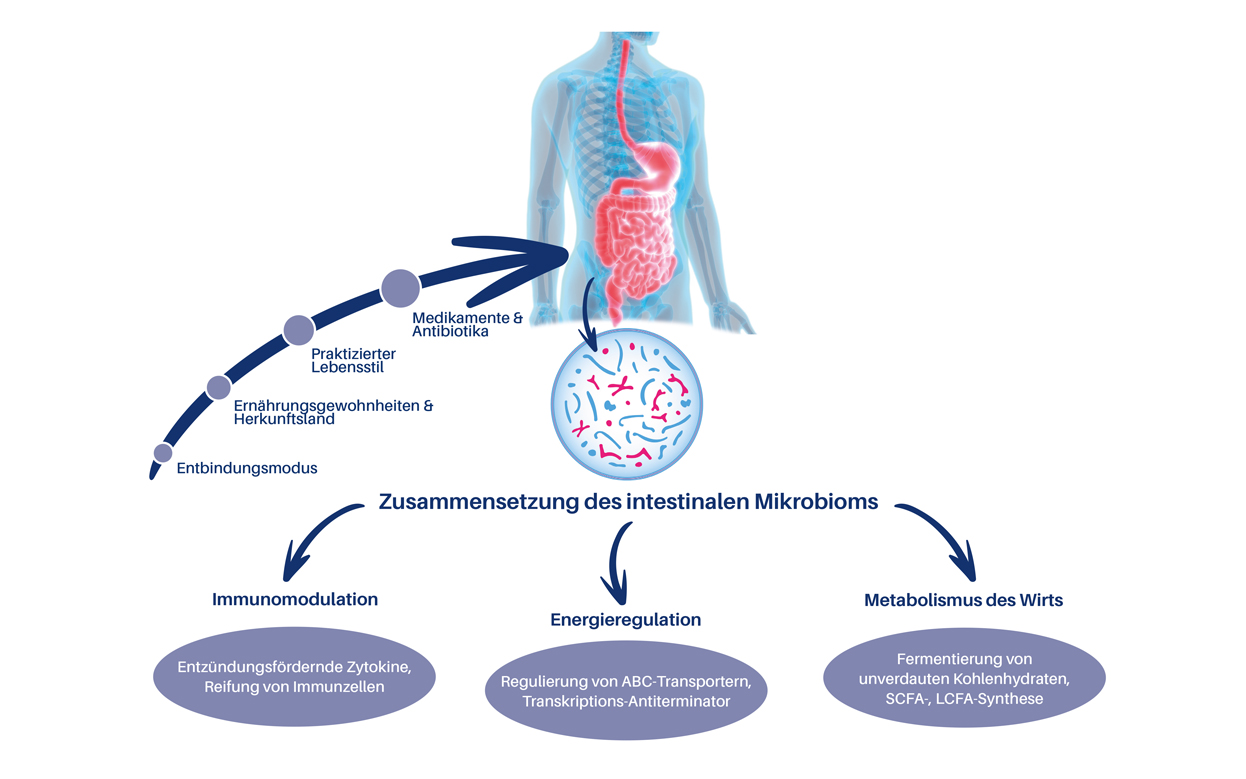
The intestinal microbiome is essential for digestion, the absorption of nutrients, the production of short-chain fatty acids, and the strengthening of the immune system. It therefore has a significant impact on health.
The intestinal microbiome consists of an individual composition of a few hundred typical bacteria and fungi species. It can be assessed according to the type of diet, specific immune markers, the various bacterial groups, or its diversity, among other things.
Changes within the intestinal microbiome or barrier disorders of the intestinal mucosa (known as “leaky gut”) can be responsible for the development of numerous acute and chronic diseases, among other things.
The simplified sample collection procedure (Calex® NGS and Calex® pH), automated stool extraction (Tecan DreamPrepTM NAP), and an optimized molecular genetic NGS analysis method (evaluation of 16S/18S DNA), supplemented by targeted molecular biological evidence, form the basis for an easily understandable yet comprehensive diagnosis, which in turn forms the basis for further, individualized therapeutic approaches.
Food allergies and intolerances
Food intolerance reactions are very common in industrialized countries. An estimated 30–40% of the Swiss population is affected by such intolerances.
Very often, the triggers cannot be clearly identified by the patients themselves, and the causes often remain unclear, even when conscious attention is paid to possible intolerances. The reason for this lies in symptoms that are more or less diffuse and occur only after a considerable delay (>24/48 hours).
Frequently encountered symptoms include digestive problems such as diarrhea, nausea, constipation, or irritable bowel syndrome, as well as migraines, skin rashes, eczema, joint pain, chronic fatigue, behavioral problems, hyperactivity, and/or depressive moods and anxiety disorders.
Existing symptoms can be caused by very different mechanisms in the body. Based on the patient's medical history and taking into account known accompanying symptoms, we offer various diagnostic options for stratification, most of which are based on IgE- or non-IgE-mediated analysis.
-
Toxicology – Analysis of toxic metals
Exposure to toxic metals is a frequently underestimated risk in medicine, which often goes unrecognized in everyday practice. Raising awareness and providing more information in medical practices therefore appears to be very important.
Toxic metals are inorganic poisons, some of which occur naturally in the environment. For example, drinking water in various areas of Switzerland is contaminated with arsenic and uranium of geogenic origin. Toxic metals occur in nature as ions, compounds, and complexes (speciation) and are released in large quantities—increasingly so—into the human-created and influenced environment (anthroposphere). The manifold use of toxic metals in industry, agriculture, and the domestic environment contributes to their widespread distribution in the environment.
Ortho-Analytic uses the ICP-MS (inductively coupled plasma mass spectrometry) method as its detection and verification procedure for inorganic element analysis. This analysis method is characterized by its very high sensitivity and robustness, as well as its ability to simultaneously determine different elements in a wide range of concentrations.
Ortho-Analytic's ICP-MS analysis (whole blood, serum, and hair) is validated according to the requirements of ISO 15189 for medical diagnostics. Since 2016, Ortho-Analytic has also been a reference laboratory for RECIPE, one of the leading manufacturers of quality control materials for medical laboratories.
-
Micronutrients – Orthomolecular Medicine
Nowadays, the range of foods available is diverse and rich. Despite good nutritional conditions, there are still cases of undersupply and deficiency symptoms, especially in the areas of vitamins, minerals, and trace elements.
Increased consumption of processed foods (nutrient loss) or the choice of individual dietary philosophies such as extreme vegetarianism/veganism, convenience food/fast food, reduction diets, etc. can lead to a reduced intake of essential nutrients. A high proportion of preservatives or excessive storage of fresh foods can also cause these effects.
There is an increased need for nutrients in specific life situations, such as during pregnancy and breastfeeding, for adolescents or seniors, and for athletes. Nutritional requirements may also increase in cases of nutrition-related diseases, food allergies and intolerances, maldigestion, malnutrition, inflammatory bowel disease, or medication use (iatrogenic effects).
In most cases, a significant deficiency manifests itself late. However, it can be detected early through appropriate clinical evaluation. Micronutrient supplementation should be carried out before clinically manifest symptoms occur, as these are preceded by a latent deficiency with nonspecific symptoms.
The targeted use of laboratory analysis and the individual findings and therapy tables obtained as a result form, among other things, the necessary basis for targeted micronutrient supplementation. Laboratory results also form the basis for adequate preventive medical intervention and for blood level monitoring in the therapeutic and/or preventive medical use of micronutrients.
-
Acquired mitochondriopathies
Acquired mitochondriopathies (i.e., non-congenital forms) are mitochondrial dysfunctions that are caused by increasing damage to human mitochondrial DNA and mitochondria over the course of a lifetime.
This damage is usually caused by the attack of free radicals in the cells (= oxidative and nitrosative stress). However, triggers can also include psychological and physical stress and trauma, toxic exposure, disturbances of the gut microbiome and intestinal diseases, chronic inflammation and infections (EBV, Lyme disease) or side effects of certain medications (statins, PPIs, etc.).
Diseases in this category include allergies, asthma, arteriosclerosis, chronic fatigue syndrome (CFS), migraine, fibromyalgia, and neurodegenerative diseases (Alzheimer's disease, multiple sclerosis, Parkinson's disease). The Ortho-Analytic special laboratory offers a wide range of analyses that can detect and quantify these processes.