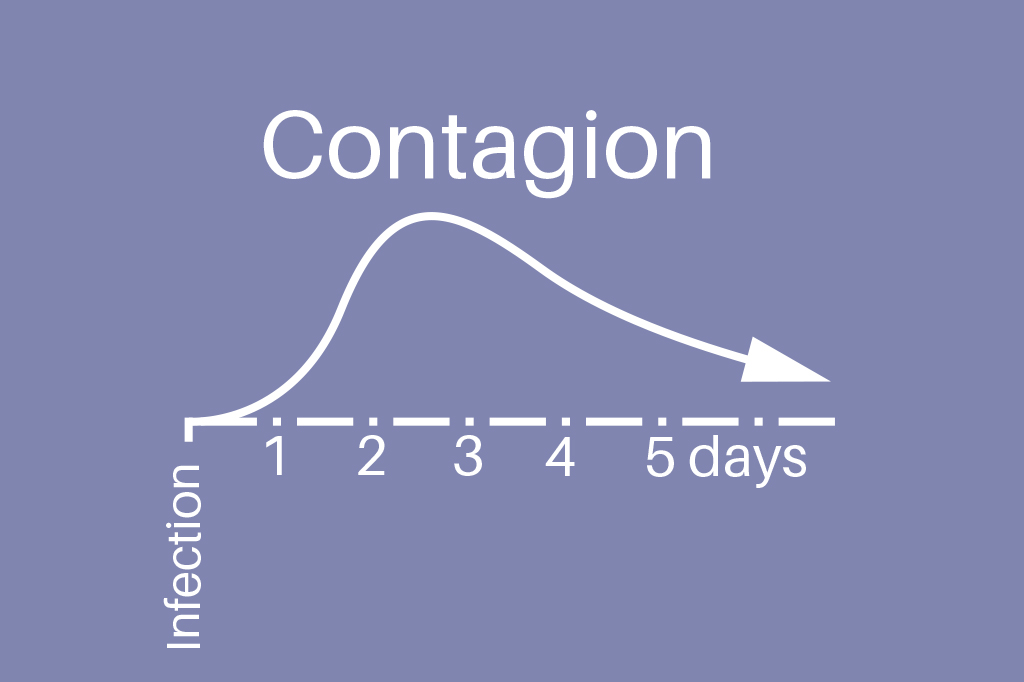
Prevention of Influenza

What individual measures need to be taken?

What is influenza?
Influenza is a respiratory viral disease (Influenza A or B virus) that people have known about for centuries. Although there may be little harm to those in good health, the disease may be dangerous for weaker people (the elderly and people with chronic conditions) and young children (under two years of age). Infection rates are not higher for pregnant women, but the risk of complications is, particularly during the second and third trimesters, which may lead to premature delivery or spontaneous abortion. The most effective form of prevention is vaccination coupled with hygiene measures.
What are the symptoms?
Sudden fever, coughing, sore throat, headache, joint pain, tiredness and possibly nausea, vomiting and diarrhoea.
How ca n I avoid influenza during my pregnancy?
The influenza virus spreads via droplets through the air when an infected person coughs or sneezes. You can catch influenza by breathing in these droplets or if they come into direct contact with your eyes. The influenza virus can also be found on the hands of those infected as well as on surfaces they touch. You may therefore become contaminated if you shake their hand or if you touch dirty surfaces and transfer the virus to your eyes, nose or mouth. The virus does not cross the skin.

Limit contact and think carefully about hygiene measures
Wash your hands thoroughly and often
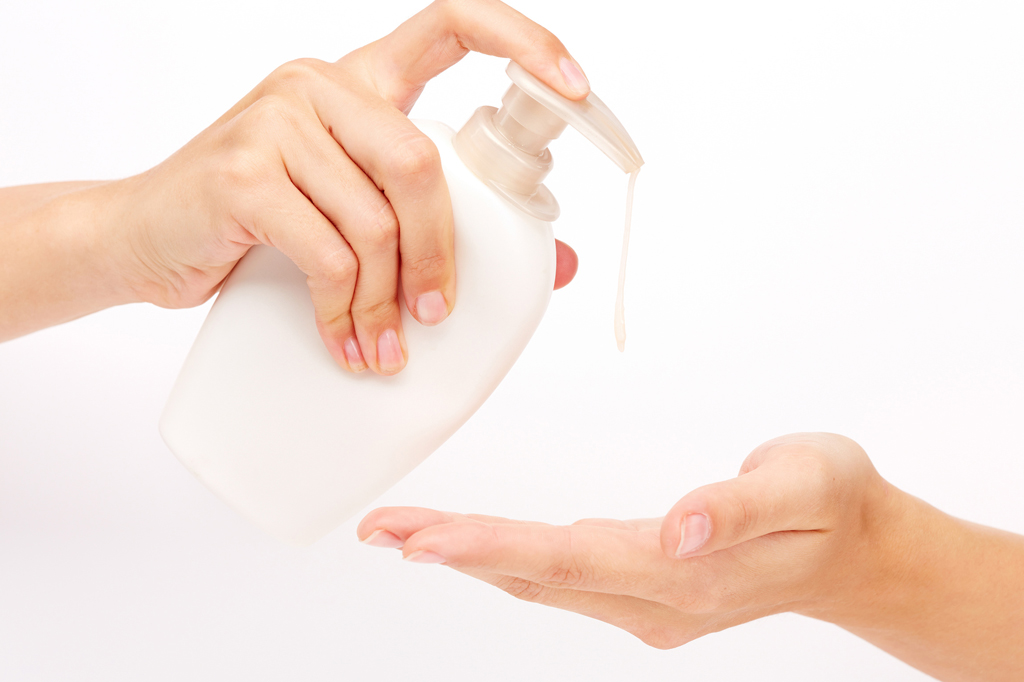
using soap and water and dry them properly too. Use an alcohol-based disinfectant if you do not have access to soap or water.
Avoid touching areas that may be contaminated

Make sure you have paper tissues with you for holding rails while on the bus or when using door handles, taps, etc. Avoid touching your eyes, nose or mouth.
If possible, avoid places that present a risk

such as public transport during rush hours, concerts, nightclubs, crowded bars, etc.
Wearing a mask
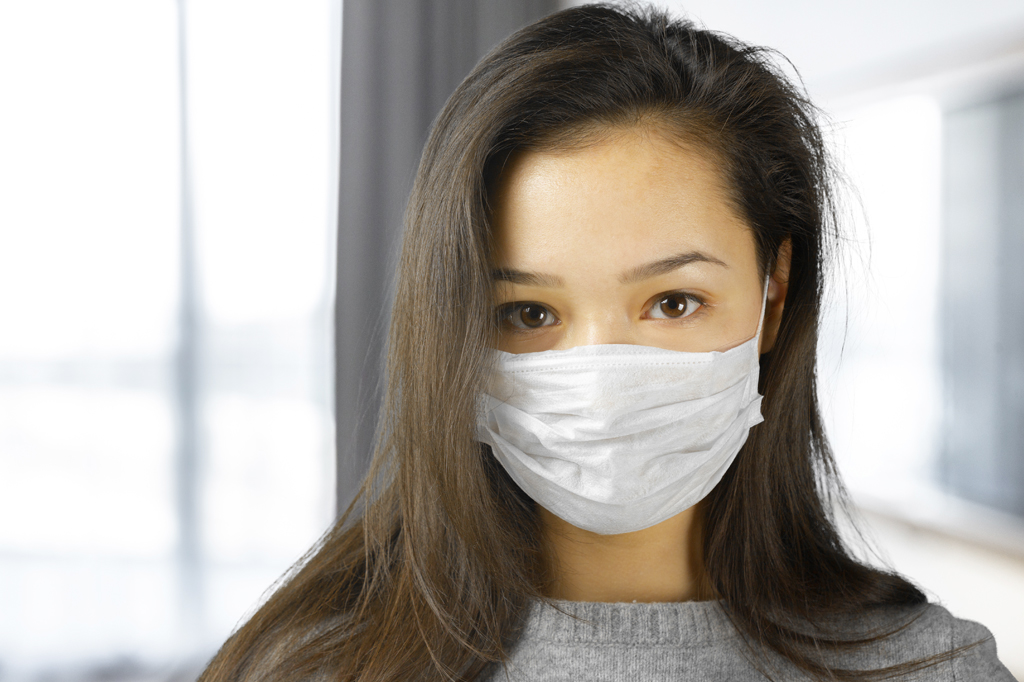
It is a good idea to wear a mask in situations where the risk of contamination is high or to avoid contaminating others.
Air

Ensure your workplace, cafeteria, etc. are properly ventilated.
Advice
Your partner should also follow these measures in order not to become infected and pass it on to you. The hygiene measures described above are certainly not intended to stop you from undertaking your normal day-to-day activities.
If you have been in contact with a person with influenza or if you have a fever
(≥38°C) or other influenza symptoms, inform your healthcare professional!
Take immediate measures to protect your baby and those around you.
Bring your temperature down
Using medicines prescribed by your doctor in the correct dosage. Be careful, some medications are contraindicated (i.e. should not be used) during pregnancy.
Take great care with hand hygiene and disinfect objects you share with other people
If you have no tissues, cough or sneeze into your elbow or onto your sleeve rather than your hands.
Stay at home
If your doctor feels it is necessary to take samples, a nurse can always visit you at home.
Use a mask during the acute phase of the illness