
First and second trimester tests

Estimating the risk of trisomy 21

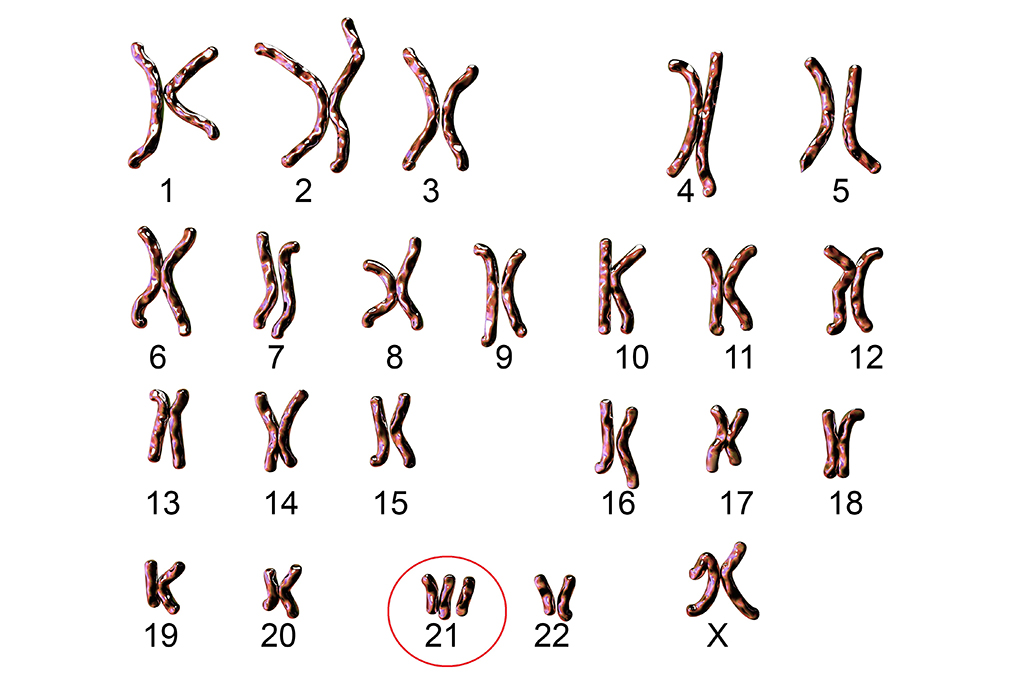
Trisomy 21 chromosomes
What is the purpose of these tests?
The main aim of first and second trimester tests is to assess the possible risk of trisomy; this can be ruled out by performing a non-invasive prenatal test (Prendia), choriocentesis or amniocentesis. Please see the factsheets on the non-invasive prenatal test (Prendia), Genetic diagnostic tests during pregnancy.
What is trisomy?
Trisomy is an anomaly (a deviation from normal) in the number of chromosomes characterised by the presence of an additional chromosome.
The most frequent type is trisomy 21, which is also known as Down syndrome.
Other chromosomal anomalies also exist and can be identified by these tests.
How is the risk assessed?
The first trimester test can assess the risk that your child is a carrier of trisomy 21, 18 or 13. It is a type of screening rather than an actual diagnostic test. A level of risk is calculated and expressed as a probability.
How is the risk calculated?
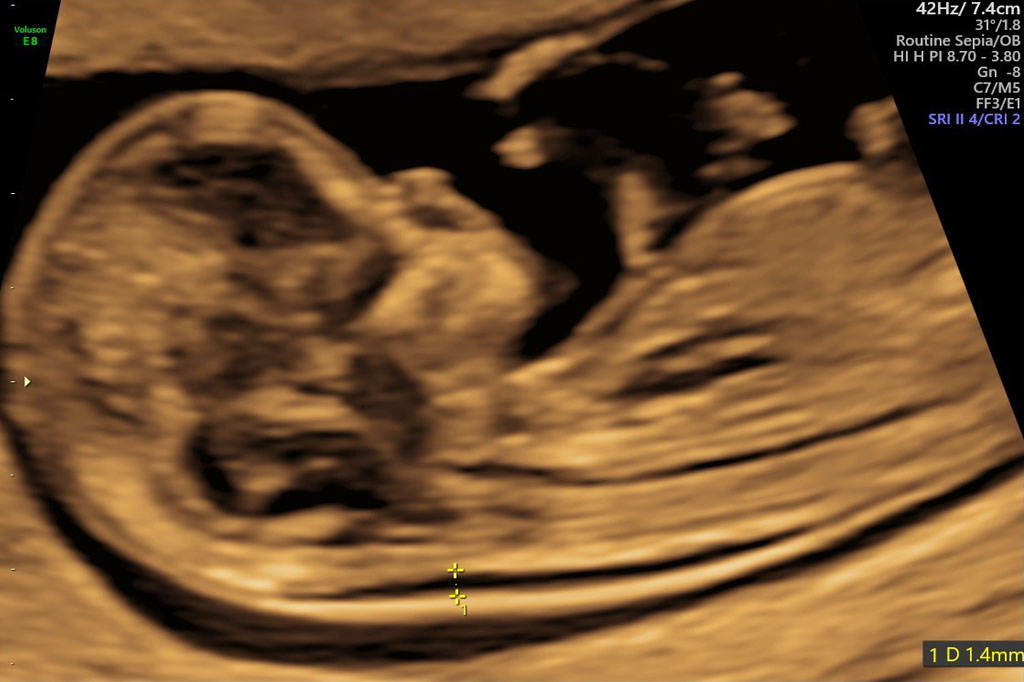
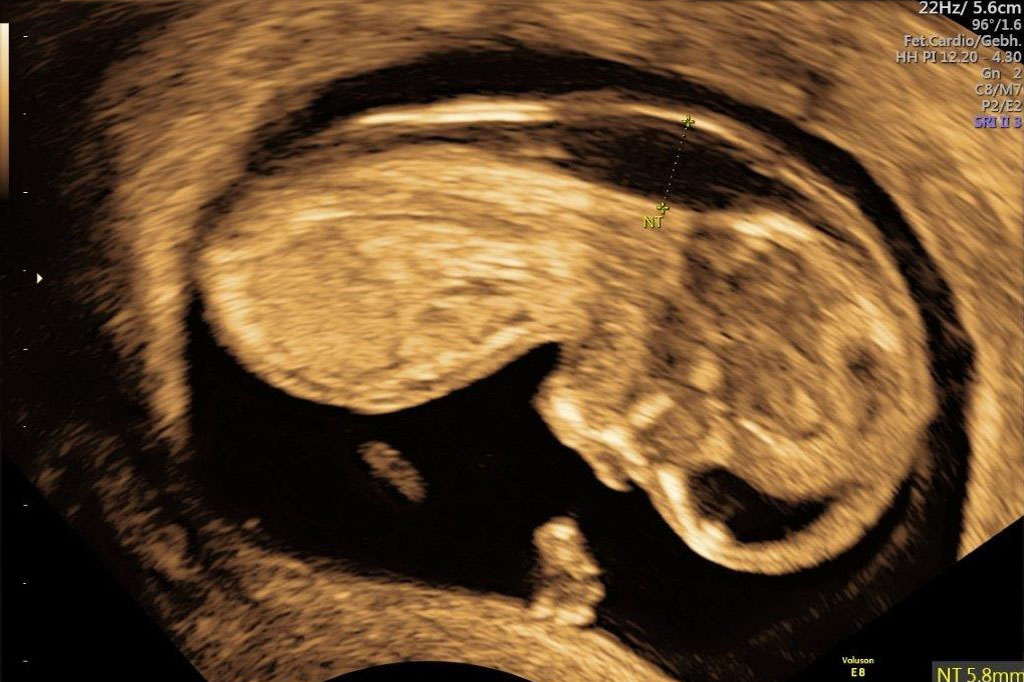
The test is performed between 11 and 14 weeks of pregnancy and combines ultrasound measurements (nuchal translucency and crown-rump length) with an analysis of two substances measured in the mother’s blood (PAPP-A and free beta-hCG).
These values, coupled with the mother’s age, help determine the risk of having a child with some chromosomal abnormality at birth. If the risk is low (≤1/1000), you will not be offered any additional tests beyond those associated with the normal monitoring of a low-risk pregnancy.
Normal nuchal translucency
If the calculated risk is between 1/1000 and 1/300, you will be offered a non-invasive prenatal test (NIPT). If the risk is calculated to be high (>1/300), you will be offered a non-invasive prenatal test (NIPT), choriocentesis or amniocentesis depending on the clinical situation.
Increased nuchal translucency (trisomy 21)
Is it possible to perform tests after 14 weeks?
If the first trimester test was not performed for some reason, your doctor will suggest you take the second trimester test, which is performed from 14 weeks onwards. The risk of trisomy is calculated by combining your age with the level of two substances measured in your blood (alpha-fetoprotein and free beta-hCG).
AFP (alpha-fetoprotein) – which can be used to screen for certain other malformations and particularly those involving the spinal column (spina bifida) – will also be measured in the mother's blood at around week 15 or 16 of pregnancy.
These screening tests are not compulsory. If, for personal reasons, you do not wish to take these tests, talk to your doctor about this as soon as you become pregnant.